Remote Temperature Monitoring Device
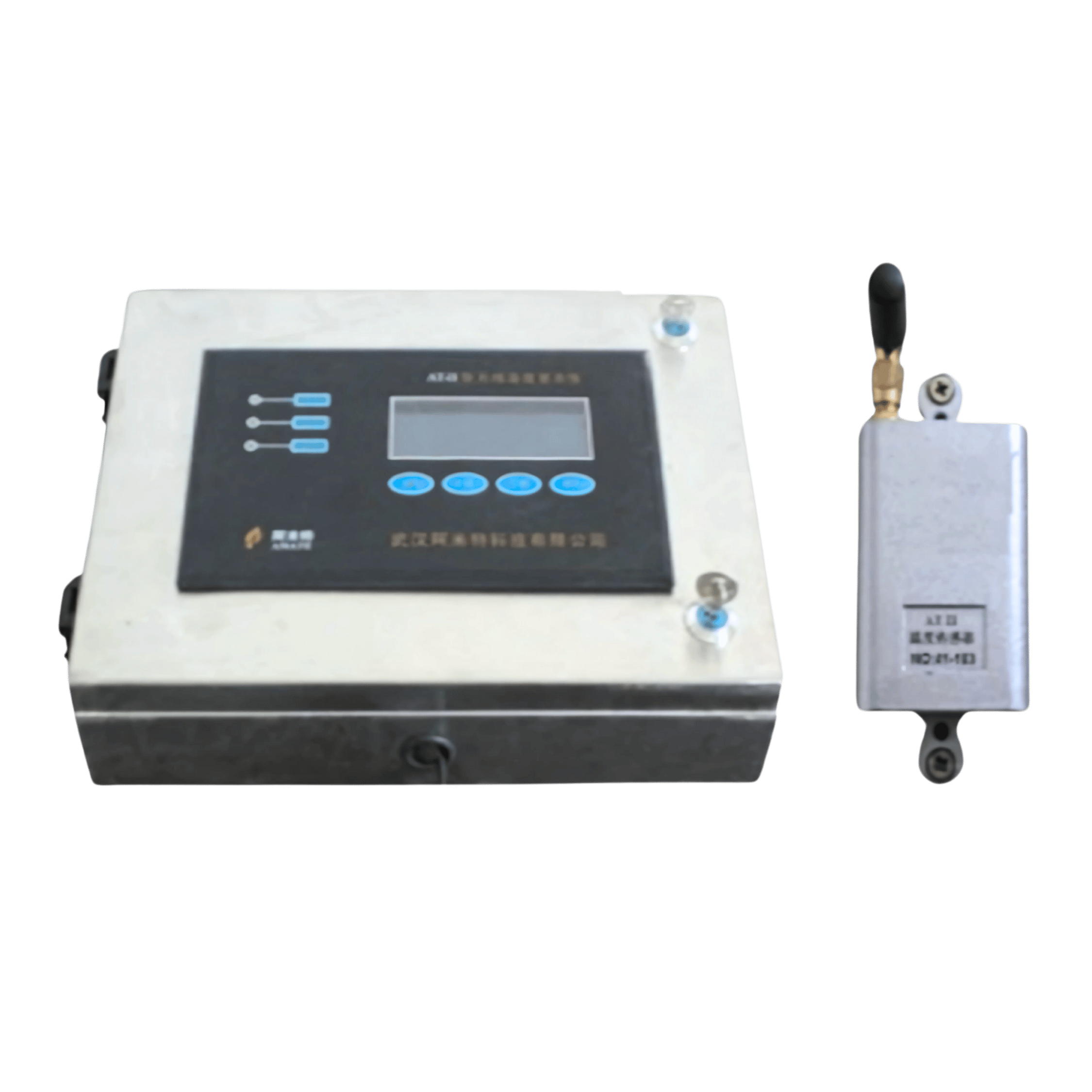
A remote temperature monitoring device is an advanced system used to continuously track temperature conditions in refrigerators, freezers, cold rooms, and storage facilities. These devices are widely used in hospitals, laboratories, blood banks, pharmaceutical storage units, and vaccine cold chains to ensure that sensitive materials remain within safe temperature ranges.
With increasing regulatory requirements for medical storage, remote monitoring systems help organizations maintain compliance, reduce product loss, and receive instant alerts when temperatures move outside safe limits.
What is a Remote Temperature Monitoring Device?
A remote temperature monitoring device is a digital system that measures and records temperature data in real time and transmits the information to users through the internet, mobile networks, or cloud platforms.
These systems allow users to monitor temperature remotely via:
Mobile applications
Web dashboards
SMS alerts
Email notifications
This ensures immediate action if temperature deviations occur.
How a Remote Temperature Monitoring System Works
Temperature Sensors
Data Logger
Wireless Connectivity
Cloud Dashboard
Sensors are placed inside refrigerators, freezers, incubators, or cold rooms to measure environmental conditions.
The device collects temperature readings at scheduled intervals and stores them in memory.
The system transmits recorded data through Wi-Fi, GSM, or Bluetooth networks.
Users can access temperature history, graphs, and alerts through a secure web platform.
This continuous monitoring helps maintain a reliable cold chain.
Types of Remote Temperature Monitoring Devices
Wireless Temperature Monitoring Device
Wireless sensors transmit data through Wi-Fi or radio frequency to a central monitoring platform.
IoT Temperature Monitoring Device
These devices use Internet of Things (IoT) technology to enable real-time cloud-based monitoring across multiple storage locations.
GSM Temperature Monitoring Device
Uses mobile networks to send SMS alerts when temperature limits are exceeded.
Data Logger Temperature Monitoring System
Stores temperature readings and generates reports for regulatory compliance.
Applications of Remote Temperature Monitoring Systems
Vaccine Storage Monitoring
Vaccines must be stored between 2°C and 8°C. Remote monitoring helps maintain this range in medical refrigerators.
Blood Bank Storage
Blood products require strict temperature control to maintain viability and safety.
Pharmaceutical Storage
Many medicines and biologics require controlled cold environments.
Laboratory Freezers
Ultra-low temperature freezers storing biological samples must be monitored continuously.
Food Cold Chain Logistics
Used in refrigerated transportation and cold storage facilities.
Benefits of Remote Temperature Monitoring Devices
Continuous Monitoring
Records temperature data 24/7 without manual checks.
Instant Alerts
Sends notifications through SMS, email, or mobile apps if temperature exceeds preset limits.
Regulatory Compliance
Helps meet standards set by healthcare and pharmaceutical regulatory bodies.
Reduced Product Loss
Early alerts prevent damage to vaccines, medicines, or biological samples.
Automated Reports
Generates temperature logs required for audits and documentation.
Key Features of Modern Temperature Monitoring Systems
A reliable remote temperature monitoring device includes:
Real-time temperature tracking
High-accuracy digital sensors
Cloud data storage
Graphical data visualization
Alarm notifications
Multi-location monitoring
Battery backup
Data export for compliance reports
Advanced models may also include humidity monitoring and door opening detection.
Technical Specifications (Typical Range)
| Parameter | Specification |
|---|---|
| Temperature Range | -80°C to +60°C |
| Accuracy | ±0.5°C |
| Connectivity | Wi-Fi / GSM / Bluetooth |
| Data Storage | Cloud + Internal Memory |
| Power Supply | AC Adapter + Battery Backup |
| Alert System | SMS / Email / Mobile App |
| Sensor Type | Digital Thermistor / Probe |
Specifications may vary depending on manufacturer and device model.
Industries Using Remote Temperature Monitoring Devices
These monitoring systems are widely used in:
Hospitals and healthcare facilities
Blood banks
Pharmaceutical manufacturing
Biotechnology laboratories
Food processing industries
Vaccine storage centers
Research institutes
As temperature-sensitive materials become more common, remote monitoring systems have become essential infrastructure.
Factors to Consider Before Buying a Remote Temperature Monitoring Device
Accuracy and Sensor Quality
High-precision sensors are critical for medical and pharmaceutical storage.
Connectivity Options
Choose systems with reliable Wi-Fi, GSM, or cloud connectivity.
Alert Mechanisms
Devices should provide instant alerts through multiple communication channels.
Data Logging Capability
Ensure the device stores historical data for regulatory audits.
Scalability
For large facilities, choose systems capable of monitoring multiple refrigerators or storage rooms.
Role in Vaccine Cold Chain Management
Maintaining the vaccine cold chain is essential to ensure vaccine potency. Remote temperature monitoring devices help health facilities track temperature conditions in:
Ice lined refrigerators
Vaccine carriers
Cold rooms
Transport vehicles
By preventing temperature excursions, these systems protect vaccine effectiveness and reduce wastage.
Maintenance and Best Practices
To ensure reliable performance:
Calibrate sensors periodically
Place probes correctly inside storage units
Check battery backup regularly
Maintain stable internet connectivity
Review temperature logs frequently
Proper system maintenance ensures long-term monitoring accuracy.
Frequently Asked Questions
Recent blog
View All- The Hidden Cost of Downtime: Why Reliable Cold Storage Is a Strategic Investment for Healthcare Facilities
- What Happens Between Manufacturing and Patient? The Journey of Temperature-Sensitive Medicines Through the Cold Chain
- How Alarm Systems Improve Cold Chain Reliability
- Blood Donor Couch: The Complete Guide for Blood Banks, Hospitals and Donation Centres
- Plasma Thawing Bath: The Complete Guide for Blood Banks, Hospitals and Laboratories
- Sterile Connecting Device: The Complete Guide for Blood Banks & Healthcare Facilities
- Contact Shock Freezer: The Complete Guide for Blood Banks, Hospitals & Plasma Processing Facilities
- Cytocentrifuge: Uses, Principle, Parts & Preparation
- Solar Direct Drive Systems: The Future of Battery-Free Vaccine Refrigeration
- Insulated Vaccine Van: Complete Guide to Vaccine Transportation and Cold Chain Logistics