Sterile Connecting Device: The Complete Guide for Blood Banks & Healthcare Facilities
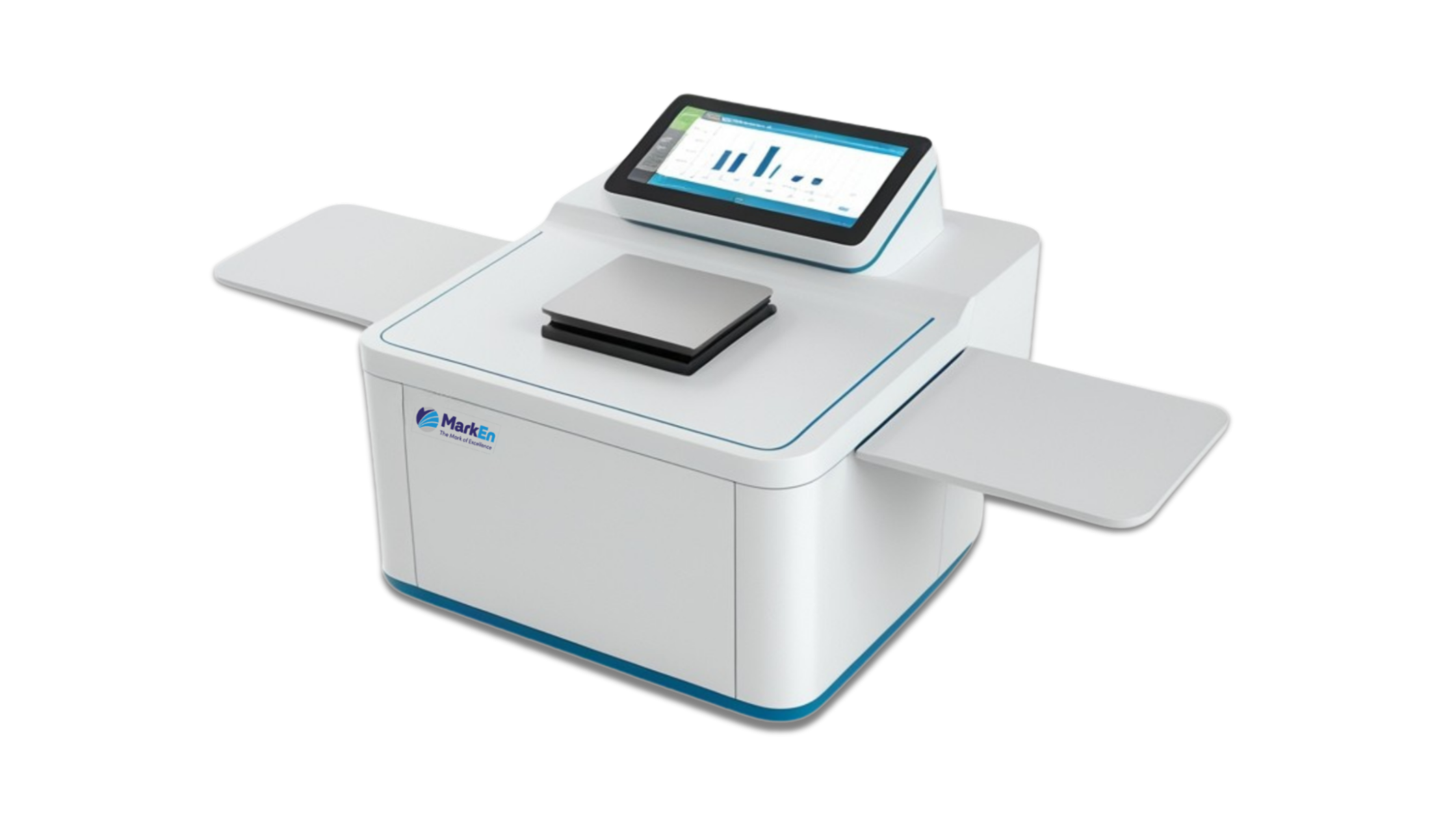
A sterile connecting device is one of the most critical tools in modern blood banking and transfusion medicine. Whether you are processing red blood cells, pooling platelets, or preparing cryoprecipitate, the ability to make a sterile, closed-system weld between two pieces of medical-grade PVC tubing without any contamination risk defines the safety and shelf life of every blood product your facility handles.
The MarkEn Sterile Connecting Device (SCD) is a next-generation device engineered for exactly this purpose: rapid, safe, and high-quality closed-system connections built for blood banks, transfusion centres, hospitals, and stem cell labs where sterility, reliability, and efficiency are non-negotiable.
What Is a Sterile Connecting Device?
A sterile connecting device (SCD) is a medical-grade instrument that produces a sterile weld between two pieces of compatible PVC tubing. This weld allows the transfer of blood components between containers and tubing of various diameters while maintaining a completely closed, contamination-free system. Unlike open-system connections that expose blood products to the environment, a validated sterile connecting device creates a functionally closed system. This is not just best practice it is a regulatory requirement under FDA guidance and WHO GMP standards for blood establishments worldwide.
Sterile Connecting Device for Blood Bank
Using a sterile connecting device for blood bank operations directly impacts patient safety, product quality, and regulatory compliance. In a blood bank setting, an SCD is used for connecting additive solution to red blood cell units, pooling platelets to create a combined product, preparing Cryoprecipitated AHF from Fresh Frozen Plasma, adding in-line FDA-cleared filters during blood component manufacturing, and processing components in stem cell and apheresis workflows. When a sterile connecting device for blood bank use is employed correctly, pooled products retain their full shelf life because the closed system is never broken. This is a critical operational and compliance advantage over open-system methods. Read about our Blood Bank Refrigerator
Sterile Connecting Device Blood Bank Compliance & FDA Guidelines
All sterile connecting device blood bank usage must align with FDA-cleared guidance. The FDA guidance on use of sterile connecting devices in blood bank practices outlines recommended procedures and clearly states that using an SCD for purposes not authorized in its labelling may render the device non-compliant under federal regulations. Key sterile connecting device blood bank compliance requirements include using only FDA-cleared or approved devices, following manufacturer-specified tubing compatibility guidelines, documenting all SCD-related procedures in a validated quality management system, and ensuring all personnel are trained on proper SCD operation and hygiene protocols. The MarkEn SCD is designed with full regulatory traceability in mind, supporting blood banks in meeting these compliance obligations efficiently. Also read about Blood Collection Monitor
Sterile Connecting Device Machine: How the MarkEn SCD Works
The sterile connecting device machine operates using a heated wafer or blade mechanism that simultaneously cuts and welds two pieces of PVC tubing. The process begins by loading the two tubing segments into the device holder. The device then automatically aligns the tubing ends. A heated blade cuts and fuses the tubing in a single sterile motion and the closed-system weld is complete and contamination-free. The MarkEn sterile connecting device machine is compact and high-utility, designed for benchtop use in high-volume environments. Its intuitive operation reduces technician error and processing time significantly, a major advantage in busy blood banks and transfusion centres.
Sterile Tube Welder: Precision Welding for Medical-Grade PVC Tubing
The MarkEn SCD functions as a precision sterile tube welder, capable of producing consistent, high-integrity welds on medical-grade PVC tubing in both wet and dry tube conditions. This versatility is critical in blood bank environments where tube conditions vary across different component preparations. As a sterile tube welder, the MarkEn SCD offers reliable weld quality across multiple tubing diameters, wet and dry tubing compatibility, reduced processing time per connection cycle, and consistent results that minimize rework and product wastage. For laboratories managing hundreds of blood component preparations daily, a dependable sterile tube welder is not optional — it is fundamental infrastructure.
Sterile Docking Device for Hospitals, Stem Cell Labs & Transfusion Centres
Beyond blood banks, the MarkEn sterile docking device is built for any clinical or laboratory environment that requires closed-system fluid pathway connections. Applications include hospital transfusion units requiring bedside or lab-based component preparation, stem cell labs handling closed-system transfers during apheresis product processing and cryopreservation workflows, high-throughput transfusion centres managing pooling and component separation, and research facilities involving medical-grade PVC systems. As a sterile docking device, the MarkEn SCD brings the same closed-system safety and precision to every one of these environments in a compact, easy-to-operate form factor.
Frequently Asked Questions
Recent blog
View All- The Hidden Cost of Downtime: Why Reliable Cold Storage Is a Strategic Investment for Healthcare Facilities
- What Happens Between Manufacturing and Patient? The Journey of Temperature-Sensitive Medicines Through the Cold Chain
- How Alarm Systems Improve Cold Chain Reliability
- Blood Donor Couch: The Complete Guide for Blood Banks, Hospitals and Donation Centres
- Plasma Thawing Bath: The Complete Guide for Blood Banks, Hospitals and Laboratories
- Contact Shock Freezer: The Complete Guide for Blood Banks, Hospitals & Plasma Processing Facilities
- Cytocentrifuge: Uses, Principle, Parts & Preparation
- Solar Direct Drive Systems: The Future of Battery-Free Vaccine Refrigeration
- Insulated Vaccine Van: Complete Guide to Vaccine Transportation and Cold Chain Logistics
- Blood Bag Tube Sealer: Essential Equipment for Safe Blood Storage and Handling