How Alarm Systems Improve Cold Chain Reliability
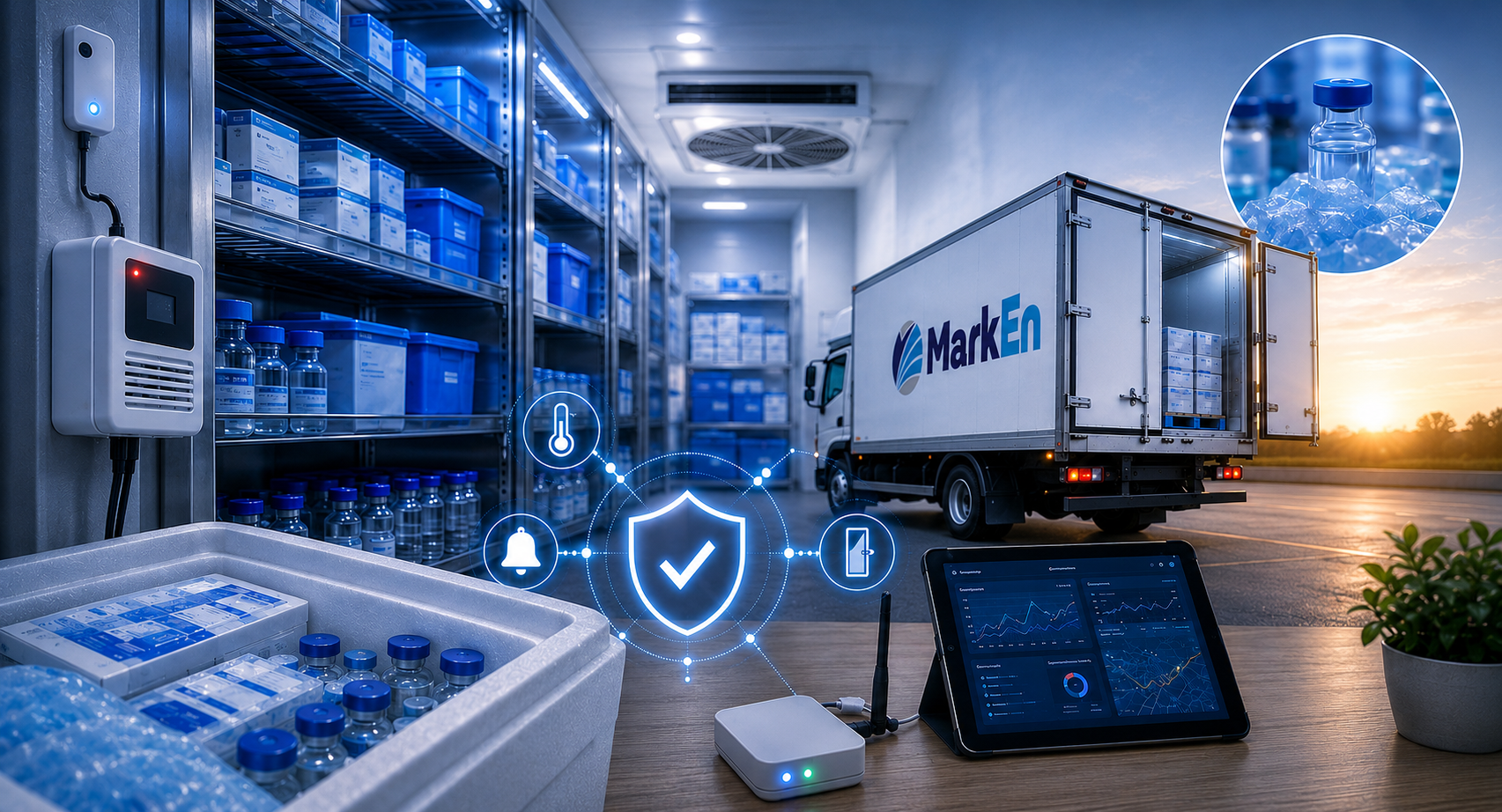
For the healthcare sector, it is not an option but rather
mandatory to ensure that products are intact while being stored and
transported. Many vaccines, biologicals, blood products, insulin, and
temperature-sensitive pharmaceutical drugs depend on cold chains in order to
keep them stable. Any temperature change may result in product
deterioration, resulting in financial loss as well as regulatory and health
hazards.
That's when alarm systems become essential tools to improve
the integrity of cold chain management. Through continuous monitoring and
prompt alerting, alarm systems enable organizations to control temperatures.
Understanding the Importance of Cold Chain Reliability
A cold chain is a supply chain that maintains appropriate
temperatures throughout the process from manufacture to delivery of vital
health care products. Hospitals, clinical laboratories, blood banks,
pharmacies, and vaccine centers all rely on continuous cold chain conditions.
The maintenance of the desired temperature level is often
difficult. It is because of such factors as power outages, faulty machinery,
human mistakes, delayed deliveries, or inappropriate storage that a cold chain
can be easily interrupted. The existence of efficient alarm systems provides
for early warning of a developing problem.
How Alarm Systems Strengthen Cold Chain Operations
Temperature Monitoring In Real Time. The latest alarms
constantly track refrigerators, freezers, cold storage facilities, and vehicles
transporting products. The sensors measure temperature fluctuations and
generate dependable information around the clock.
If there is any fluctuation that falls outside an acceptable
range, the alarm is automatically set off, which helps the employees address
issues before sensitive materials get damaged. Real-time monitoring is
especially important for vaccines and biologics because temperature variations
can influence their effectiveness.
Faster Alerts and Rapid Responses
Immediate alerts are one of the key benefits of using
cutting-edge alarm systems. These alerts can be received via SMS, email, mobile
apps, or built-in dashboard notifications.
Rather than detecting issues hours after performing manual
tests, staff members are able to act quickly on equipment malfunctions,
unlocked doors, or power shortages, thus minimizing the chances of spoilage and
wastage. Each moment is crucial in a medical setting.
Decrease in Human Errors
Processes involved in manual monitoring require a lot of
time and are prone to errors. Staff members might forget about temperature
monitoring, skip recording abnormalities, and overlook equipment problems
outside of their working hours.
The deployment of an automatic system eliminates the need
for such manual actions. Digital monitoring ensures reliable data acquisition
and consistent operations. At the same time, healthcare professionals gain
extra time to focus on their patients.
Improved Regulatory Compliance
There are very stringent guidelines regarding the manner in
which healthcare facilities should store their vaccines to ensure that they
remain potent for use. Documentation regarding the correct temperatures within
the facility needs to be accurate and verifiable.
Alarm systems have an automatic way of creating logs and
documenting temperature levels to ensure that all records are available in case
of inspection or audits.
Preventing Financial Losses
The malfunctioning of cold chains could lead to severe
financial losses. Vaccines, drugs, or laboratory samples may become unusable
once they have been damaged.Alarms enable organizations to identify potential
hazards and prevent losses. Moreover, alarms help avoid unnecessary expenses on
replacing spoiled products. Eventually, purchasing sophisticated monitoring
tools will prove more affordable than frequently dealing with malfunctioning
cold chains.
Increasing Demand for Intelligent Cold Chains in India
The healthcare system in India is currently experiencing
rapid development, fueled by growing demands for vaccines, biologics, specialty
drugs, and diagnostics. The improvement of India’s healthcare system highlights
the necessity of maintaining a high level of cold chain management.
Whether in urban hospitals or rural healthcare facilities,
reliable logistics networks are indispensable for delivering healthcare safely
throughout the country.
Modern alarm-based cold chain monitoring technologies have
become an integral part of India’s current healthcare system. Advanced
monitoring systems not only ensure efficient operations but also positively
impact patients’ well-being by maintaining the integrity of medications and
vaccines.
MarkEn's Contribution to the Development of the
Healthcare Industry in India
Alongside the evolution of the healthcare industry, MarkEn
enables organizations to design effective, safe, and reliable cold chains.
By relying on innovative solutions for cold chain monitoring
and intelligent healthcare delivery, MarkEn drives the healthcare sector's
progress toward enhanced performance and technological advancement. The
company's use of alarm systems contributes to increased temperature accuracy
and operational reliability, which can positively affect healthcare providers'
activities in the long term.
MarkEn's contribution to the development of the Indian
healthcare system does not stop at introducing technological innovations into
healthcare operations. The company's involvement in cold chain management
practices allows the healthcare sector in India to create a robust network that
facilitates safe medication distribution nationwide.
With increasing investments in healthcare development,
innovative HealthTech businesses such as MarkEn significantly contribute to
creating a more accessible and reliable healthcare environment for citizens.
Conclusion
Reliability in the cold chain is crucial for safeguarding
healthcare products and ensuring patient safety. When working in an industry
where the effectiveness of treatments depends on precise temperature control,
alarm systems ensure timely interventions in case of emergencies.
From providing comprehensive monitoring and instant
notifications to ensuring compliance with regulations and increased
efficiency in operations, alarm systems have now become an integral part of
healthcare logistics.
With increasing healthcare needs and expectations, the
implementation of innovative cold chain technologies will prove pivotal in
creating a robust healthcare ecosystem. With companies such as MarkEn setting
standards in the domain of HealthTech, the future of cold chain management in
India seems promising indeed.
Frequently Asked Questions
Recent blog
View All- The Hidden Cost of Downtime: Why Reliable Cold Storage Is a Strategic Investment for Healthcare Facilities
- What Happens Between Manufacturing and Patient? The Journey of Temperature-Sensitive Medicines Through the Cold Chain
- Blood Donor Couch: The Complete Guide for Blood Banks, Hospitals and Donation Centres
- Plasma Thawing Bath: The Complete Guide for Blood Banks, Hospitals and Laboratories
- Sterile Connecting Device: The Complete Guide for Blood Banks & Healthcare Facilities
- Contact Shock Freezer: The Complete Guide for Blood Banks, Hospitals & Plasma Processing Facilities
- Cytocentrifuge: Uses, Principle, Parts & Preparation
- Solar Direct Drive Systems: The Future of Battery-Free Vaccine Refrigeration
- Insulated Vaccine Van: Complete Guide to Vaccine Transportation and Cold Chain Logistics
- Blood Bag Tube Sealer: Essential Equipment for Safe Blood Storage and Handling