Insulated Vaccine Van: Complete Guide to Vaccine Transportation and Cold Chain Logistics
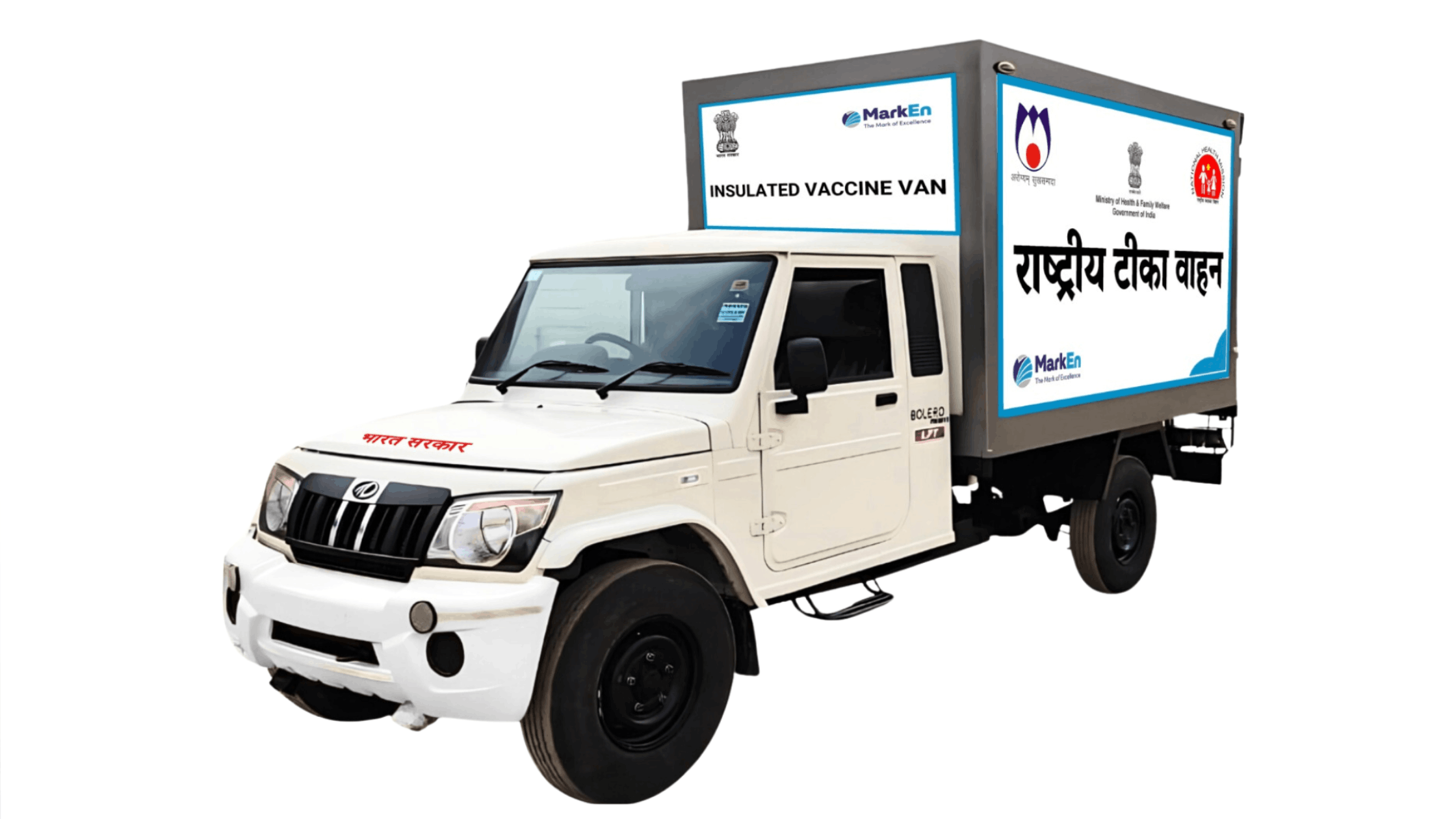
An insulated vaccine van is a specially designed vehicle used to transport vaccines, medicines, and other temperature-sensitive medical products while maintaining a controlled temperature environment. These vehicles play a critical role in the vaccine cold chain system, ensuring that vaccines remain effective from the manufacturing facility to hospitals, clinics, and vaccination centers. Because vaccines are highly sensitive to temperature fluctuations, an insulated vaccine transport van is built with advanced insulation materials, refrigeration units, and monitoring systems that maintain the required temperature range throughout the journey.
The growing demand for vaccination programs, pharmaceutical distribution, and medical logistics has significantly increased the need for reliable vaccine transportation vehicles. An insulated vaccine van helps prevent temperature excursions that can compromise vaccine potency. By maintaining a stable environment, these vans ensure that vaccines reach their destination safely while complying with global cold chain regulations.
What is an Insulated Vaccine Van?
An insulated vaccine van is a temperature-controlled vehicle designed for the safe transportation of vaccines and biological products. It is equipped with insulated panels, refrigeration systems, and digital temperature monitoring to maintain temperatures typically between 2°C and 8°C, which is the recommended range for most vaccines.
The interior of a vaccine transport van is constructed with high-density insulation materials that minimize heat exchange between the external environment and the cargo area. This design allows the van to maintain stable temperatures even when traveling long distances or operating in hot climates. Many modern insulated vaccine vans also include remote temperature monitoring systems, backup power supply, and alarm mechanisms to ensure continuous cold chain protection.
Importance of Insulated Vaccine Vans in the Cold Chain
Vaccines must remain within a strict temperature range from production to administration. This process is known as the vaccine cold chain, and any break in this chain can reduce vaccine effectiveness. An insulated vaccine van ensures that vaccines are transported safely without exposure to damaging temperatures.
During large-scale immunization campaigns and routine vaccine distribution, healthcare authorities rely heavily on refrigerated and insulated transport vehicles. These vehicles are used to deliver vaccines from central storage facilities to regional warehouses, hospitals, and vaccination centers. The use of an insulated vaccine van ensures compliance with international guidelines established by global health organizations for vaccine storage and transportation.
Another important benefit of using a vaccine transport vehicle is the ability to deliver vaccines to remote areas where cold chain infrastructure may be limited. By providing controlled temperature transport, these vans support nationwide immunization programs and help improve public health outcomes.
Features of an Insulated Vaccine Transport Van
A high-quality insulated vaccine van includes several important features that support safe medical logistics. The vehicle body is constructed using insulated panels made from polyurethane foam or similar high-performance materials that reduce heat transfer. This insulation helps maintain a stable temperature environment inside the cargo compartment.
The van is usually equipped with a refrigeration or cooling system that continuously regulates the temperature inside the storage chamber. Advanced digital temperature controllers ensure that the internal temperature remains within the safe vaccine storage range.
Modern vaccine vans also incorporate temperature data loggers and remote monitoring devices that allow operators to track real-time temperature conditions during transportation. If the temperature moves outside the safe range, the system can send alerts via SMS or email so that corrective action can be taken immediately.
Some insulated vaccine vans are also equipped with backup power systems to ensure continuous cooling even if the main power source fails. This feature is particularly important when transporting vaccines over long distances.
Types of Vaccine Transportation Vehicles
There are different types of vaccine transport vehicles used in pharmaceutical logistics. Small insulated vaccine vans are commonly used for urban vaccine distribution and hospital deliveries. These compact vehicles are ideal for transporting small to medium quantities of vaccines while maintaining strict temperature control.
Medium-sized refrigerated vans are often used by pharmaceutical distributors to supply vaccines to multiple healthcare facilities. These vehicles provide larger storage capacity and advanced refrigeration systems.
For large-scale vaccine distribution, especially during national immunization campaigns, refrigerated trucks with insulated cargo chambers are used. These vehicles can transport large volumes of vaccines across long distances while maintaining a stable cold chain environment.
Temperature Control in Vaccine Transport Vans
Temperature control is the most critical aspect of vaccine transportation. Most vaccines require storage between 2°C and 8°C, although some specialized vaccines require lower temperatures. An insulated vaccine van maintains this temperature range using a combination of insulation, refrigeration systems, and temperature monitoring technology.
The use of digital temperature monitoring devices ensures that the temperature inside the van is recorded continuously. These systems store data that can later be reviewed for quality assurance and regulatory compliance. Maintaining accurate temperature records is an essential requirement in pharmaceutical cold chain management.
In addition to refrigeration systems, insulated panels inside the vehicle help prevent external heat from affecting the internal environment. This design significantly improves the efficiency of the cooling system and reduces energy consumption.
Role of Insulated Vaccine Vans in Pharmaceutical Logistics
Pharmaceutical companies and healthcare organizations rely on insulated vaccine vans to maintain the integrity of temperature-sensitive medical products. These vehicles are commonly used to transport vaccines, blood samples, insulin, biological products, and laboratory reagents.
Efficient vaccine transportation is especially important during vaccination drives and public health emergencies. Insulated transport vans help ensure that vaccines reach their destination without losing potency. This makes them an essential component of medical cold chain logistics.
In developing regions and rural areas, vaccine transport vans play a critical role in delivering vaccines to healthcare facilities that may not have advanced refrigeration infrastructure. By maintaining a controlled environment during transportation, these vehicles help extend the reach of immunization programs.
Insulated Vaccine Van Manufacturers
Many specialized companies manufacture insulated vaccine vans designed for pharmaceutical and healthcare applications. These manufacturers use advanced insulation technology, precision refrigeration systems, and durable vehicle bodies to ensure reliable performance in demanding conditions.
Manufacturers also design vaccine vans according to international cold chain standards. These standards ensure that vaccines remain protected during transportation and that temperature conditions can be monitored and documented for regulatory compliance.
Customization is another important aspect of vaccine van manufacturing. Healthcare organizations can choose different vehicle sizes, refrigeration capacities, and monitoring systems depending on their distribution requirements.
Future of Vaccine Transportation Technology
The demand for reliable vaccine transport solutions continues to grow as global vaccination programs expand. Modern insulated vaccine vans are increasingly integrating smart technologies such as IoT temperature monitoring, GPS tracking, and automated cold chain management systems.
These technologies provide real-time visibility into vaccine shipments, allowing operators to monitor location, temperature conditions, and system performance from a central dashboard. This level of control significantly improves efficiency and reduces the risk of vaccine spoilage.
As healthcare systems continue to prioritize cold chain management, insulated vaccine vans will remain a critical part of medical logistics infrastructure. Their ability to maintain strict temperature conditions during transportation ensures that vaccines remain safe, effective, and ready for use when they reach patients.
Frequently Asked Questions
Recent blog
View All- The Hidden Cost of Downtime: Why Reliable Cold Storage Is a Strategic Investment for Healthcare Facilities
- What Happens Between Manufacturing and Patient? The Journey of Temperature-Sensitive Medicines Through the Cold Chain
- How Alarm Systems Improve Cold Chain Reliability
- Blood Donor Couch: The Complete Guide for Blood Banks, Hospitals and Donation Centres
- Plasma Thawing Bath: The Complete Guide for Blood Banks, Hospitals and Laboratories
- Sterile Connecting Device: The Complete Guide for Blood Banks & Healthcare Facilities
- Contact Shock Freezer: The Complete Guide for Blood Banks, Hospitals & Plasma Processing Facilities
- Cytocentrifuge: Uses, Principle, Parts & Preparation
- Solar Direct Drive Systems: The Future of Battery-Free Vaccine Refrigeration
- Blood Bag Tube Sealer: Essential Equipment for Safe Blood Storage and Handling