Blood Bag Tube Sealer: Essential Equipment for Safe Blood Storage and Handling
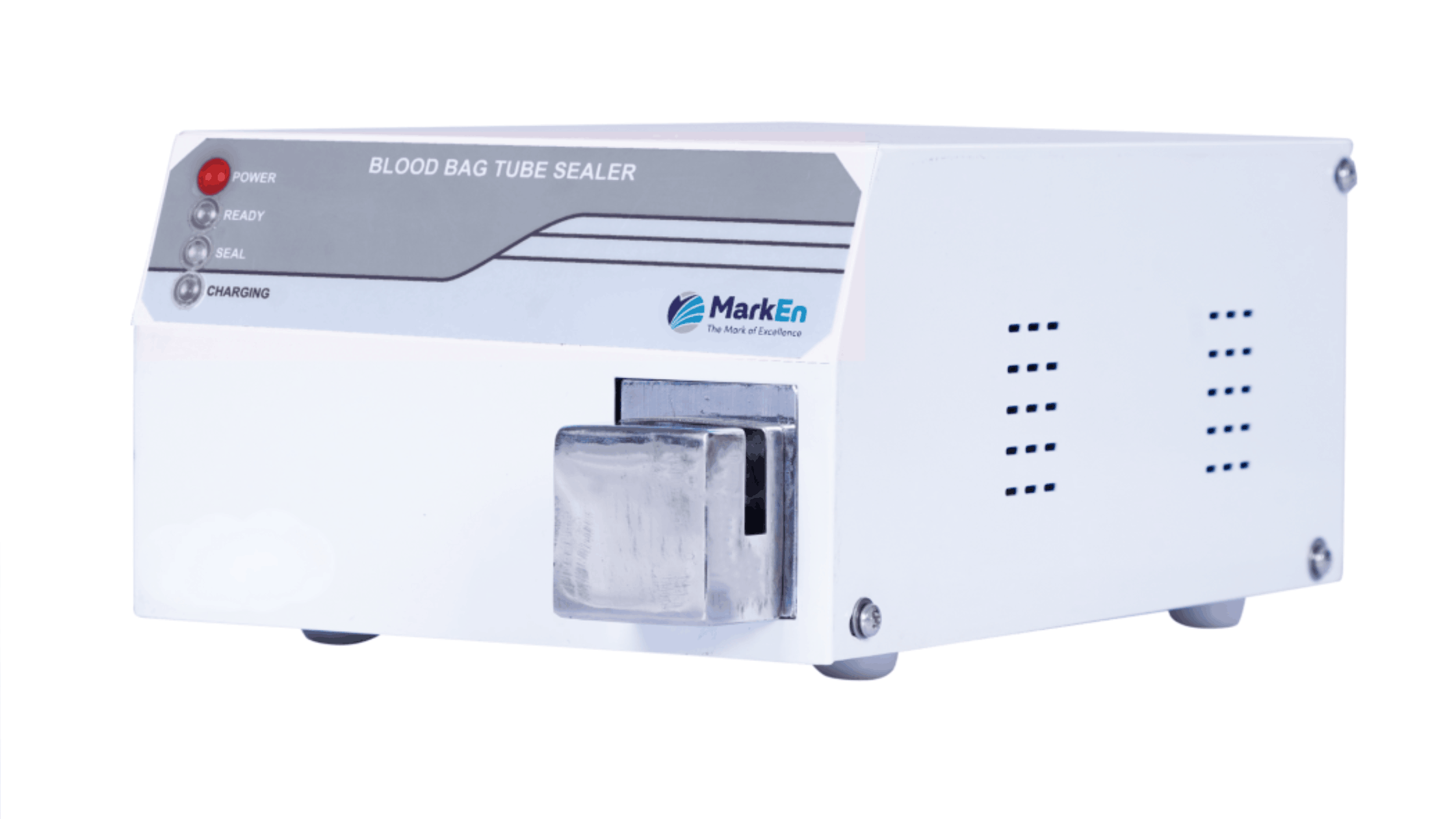
A blood bag tube sealer is a critical device used in blood banks, hospitals, diagnostic laboratories, and transfusion enters to safely seal blood bag tubing without contamination or blood loss. It ensures sterile separation of blood components while maintaining product integrity throughout storage and transportation.
With increasing demand for safe blood management systems, modern tube sealers have become an indispensable part of transfusion medicine and blood processing workflows.
What is a Blood Bag Tube Sealer?
A blood bag tube sealer is an electronic medical device designed to hermetically seal plastic tubing attached to blood bags using radio frequency (RF) sealing technology or thermal sealing mechanisms.
The sealing process allows technicians to divide blood units into components such as:
Packed Red Blood Cells (PRBC)
Plasma
Platelets
Cryoprecipitate
without exposing the blood to external contamination.
This sterile sealing capability helps maintain compliance with global blood safety standards.
How Does a Blood Bag Tube Sealer Work?
RF Sealing Technology
Most advanced sealers operate using radio frequency energy, which generates localized heat inside the tubing wall.
Process includes:
Blood tubing is placed between sealing electrodes.
RF energy melts the tubing internally.
Pressure seals both ends simultaneously.
A strong, leak-proof seal forms within seconds.
This method ensures:
No open exposure to air
Minimal hemolysis risk
Consistent sealing quality
Types of Blood Bag Tube Sealers
There are 3 major types of blood bag tube sealers.
Portable Blood Bag Tube Sealer
Compact and lightweight models suitable for:
Blood donation camps
Mobile blood collection units
Emergency transfusion setups
Bench-Top Blood Bag Tube Sealer
Designed for high-volume blood banks with continuous operation requirements.
Automatic Blood Bag Tube Sealer
Advanced units offering:
Auto sealing cycles
Error detection
Temperature monitoring
High sealing throughput
Key Features of Modern Blood Bag Tube Sealers
A high-quality blood bag tube sealing machine typically includes:
Fast sealing time (1–3 seconds)
Uniform seal strength
LED or digital display
Overheat protection
Energy-efficient operation
Compact ergonomic design
Low maintenance requirement
Audible and visual alarms
Many systems also include automatic clamp release to improve workflow efficiency in busy blood banks.
Applications of Blood Bag Tube Sealers
Blood Banks
Used during component separation and storage preparation.
Hospitals & Transfusion Centers
Ensures safe handling during transfusion procedures.
Diagnostic Laboratories
Supports research and controlled blood sampling.
Blood Donation Camps
Portable sealers maintain sterility during field collection.
Advantages of Using a Blood Bag Tube Sealer
1. Prevents Contamination
Maintains a completely closed blood system.
2. Improves Blood Safety
Reduces infection risks during handling.
3. Enables Component Separation
Allows multiple sealed segments for testing and storage.
4. Minimizes Blood Loss
Precise sealing avoids leakage.
5. Enhances Operational Efficiency
Quick sealing improves technician productivity.
Technical Specifications (Typical Range)
| Parameter | Specification |
|---|---|
| Sealing Time | 1–3 seconds |
| Tube Compatibility | PVC Blood Tubing |
| Power Supply | 220–240V AC |
| Seal Width | 3–6 mm |
| Operation Mode | Manual / Automatic |
| Weight | 5–12 kg |
| Technology | RF / Thermal Sealing |
Specifications may vary depending on manufacturer and model.
Blood Bag Tube Sealer in Blood Processing Workflow
The device plays a vital role after blood collection:
Blood collection completed
Tubing sealed into sterile segments
Blood components separated using centrifuge
Units stored safely in blood bank refrigerators
Without proper tube sealing, safe blood storage and traceability become difficult.
Maintenance and Safety Guidelines for Blood Bag Tube Sealer
To ensure long operational life:
Clean electrodes regularly
Inspect sealing jaws daily
Avoid sealing wet tubing surfaces
Perform periodic calibration
Check alarm indicators before operation
Routine preventive maintenance helps maintain consistent sealing strength.
Factors to Consider Before Buying a Blood Bag Tube Sealer
When selecting equipment, evaluate:
Sealing Capacity
High-volume blood banks require continuous-duty models.
Portability
Mobile collection units benefit from lightweight sealers.
Energy Efficiency
Lower power consumption reduces operational cost.
Safety Certifications
Ensure compliance with medical equipment standards such as:
ISO certification
CE marking
Biomedical safety approvals
After-Sales Support
Reliable servicing ensures uninterrupted blood bank operations.
Role of Blood Bag Tube Sealers in Modern Blood Banks
With rising healthcare demands, automation in blood management has become essential. A blood bag tube sealersupports:
Traceable blood segmentation
Safe transportation
Long-term storage
Efficient laboratory testing
It directly contributes to improved transfusion safety and regulatory compliance.
Frequently Asked Questions
Recent blog
View All- The Hidden Cost of Downtime: Why Reliable Cold Storage Is a Strategic Investment for Healthcare Facilities
- What Happens Between Manufacturing and Patient? The Journey of Temperature-Sensitive Medicines Through the Cold Chain
- How Alarm Systems Improve Cold Chain Reliability
- Blood Donor Couch: The Complete Guide for Blood Banks, Hospitals and Donation Centres
- Plasma Thawing Bath: The Complete Guide for Blood Banks, Hospitals and Laboratories
- Sterile Connecting Device: The Complete Guide for Blood Banks & Healthcare Facilities
- Contact Shock Freezer: The Complete Guide for Blood Banks, Hospitals & Plasma Processing Facilities
- Cytocentrifuge: Uses, Principle, Parts & Preparation
- Solar Direct Drive Systems: The Future of Battery-Free Vaccine Refrigeration
- Insulated Vaccine Van: Complete Guide to Vaccine Transportation and Cold Chain Logistics