Ice Lined Refrigerator (ILR): Complete Guide for Vaccine Cold Chain Storage
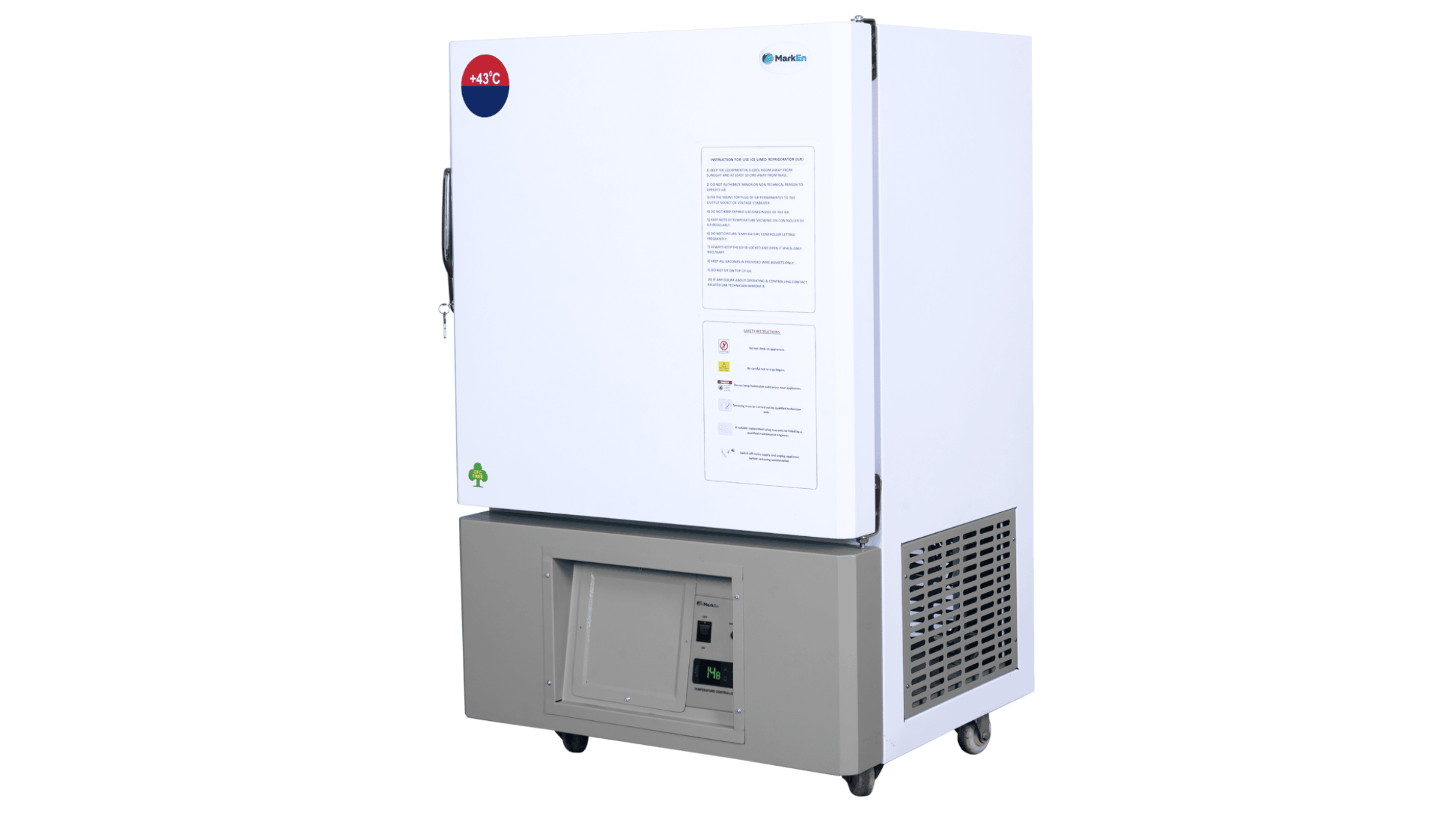
An Ice Lined Refrigerator (ILR) is a specialized refrigeration unit designed for safe vaccine storage within immunization programs and public health systems. Unlike domestic refrigerators, an ice liner refrigerator maintains stable temperatures even during power cuts, making it essential for vaccine cold chain infrastructure in India and other developing countries.
ILRs are widely used in primary health centers, district hospitals, blood banks, and immunization storage points.
Ice Lined Refrigerator Vaccine
An ice lined refrigerator vaccine unit is specifically engineered to store temperature-sensitive vaccines between +2°C and +8°C. The internal lining of frozen water packs (ice packs) acts as a thermal buffer, protecting vaccines from sudden temperature fluctuations.
Why ILRs Are Critical for Vaccines?
Maintain stable cold chain during power failure
Prevent accidental freezing of vaccines
Ensure uniform cooling distribution
Support national immunization programs
Vaccines such as measles, polio, hepatitis, and COVID vaccines require strict temperature control to remain effective.
Ice Lined Refrigerator Vaccine Storage
Proper ice lined refrigerator vaccine storage ensures:
Vaccines remain within recommended temperature range
No direct contact with ice lining
Air circulation remains unobstructed
Temperature is monitored regularly
Unlike domestic refrigerators, vaccines are stored in baskets, not on shelves, to prevent exposure to excessively cold surfaces.
Ice Lined Refrigerator in Cold Chain
The ice lined refrigerator in cold chain plays a central role in vaccine logistics.
The vaccine cold chain typically includes:
Walk-in coolers at state depots
Deep freezers for ice pack preparation
Ice lined refrigerators at district and PHC level
Vaccine carriers for last-mile delivery
ILRs ensure vaccine potency is maintained throughout distribution. They are a mandatory component in immunization cold chain systems.
Ice Lined Refrigerator Vaccine Arrangement
Proper ice lined refrigerator vaccine arrangement is crucial to prevent freezing or overheating.
Best practices include:
Store freeze-sensitive vaccines (e.g., DPT, Hepatitis B) in upper baskets
Keep OPV and freeze-tolerant vaccines in lower sections
Avoid overcrowding
Maintain spacing for air circulation
Vaccines should never touch the ice lining walls directly.
Ice Lined Refrigerator Vaccine Storage Temperature
The recommended ice lined refrigerator vaccine storage temperature is:
+2°C to +8°C
Key monitoring guidelines:
Twice-daily temperature recording
Use of digital data loggers
Alarm systems for temperature deviation
Calibration checks annually
Maintaining this range ensures compliance with WHO and national immunization standards.
Ice Lined Refrigerator Capacity
Ice lined refrigerator capacity varies depending on institutional needs.
Common capacities available in India:
| Capacity (Litres) | Suitable For |
|---|---|
| 60–100 L | Small PHCs |
| 100–200 L | Community Health Centers |
| 200–300 L | District hospitals |
| 300+ L | Vaccine storage hubs |
When selecting ILR capacity, consider:
Vaccine load
Frequency of supply
Backup storage requirements
Power availability
Overloading reduces cooling efficiency.
Ice Lined Refrigerator Parts
Understanding ice lined refrigerator parts helps in maintenance and troubleshooting.
Key components include:
Ice lining chamber
Compressor unit
Thermostat and temperature controller
Condenser and evaporator coils
Insulated cabinet
Vaccine storage baskets
Door gasket and seal
Digital temperature display
Modern ILRs include microprocessor-controlled systems and voltage stabilizers for better reliability.
Solar Ice Lined Refrigerator
A solar ice lined refrigerator is designed for off-grid or unreliable electricity areas.
Features include:
Solar panel integration
Battery backup
Direct drive solar technology
Energy-efficient compressors
These are widely used in rural India, remote clinics, and tribal healthcare programs.
Solar ILRs ensure uninterrupted vaccine storage even in areas with frequent power cuts.
Ice Lined Refrigerator Manufacturers India
There are several reputable ice lined refrigerator manufacturers India that supply equipment to hospitals, government immunization programs, and private healthcare facilities.
When choosing a supplier, look for:
WHO PQS certification
Energy-efficient design
After-sales service network
Compliance with biomedical standards
Durable insulation technology
India’s growing healthcare infrastructure has increased demand for certified vaccine cold storage solutions.
Ice Lined Refrigerator Zones (Internal Storage Zones)
Understanding ice lined refrigerator zones is essential for correct vaccine placement.
Typical zones inside an ILR:
Upper Zone: Less cold, ideal for freeze-sensitive vaccines
Middle Zone: Stable temperature area
Lower Zone: Slightly colder region
Ice Lining Walls: Should not touch vaccines
Mapping zones correctly reduces the risk of accidental freezing.
Difference Between Ice Lined Refrigerator and Domestic Refrigerator
| Feature | Ice Lined Refrigerator | Domestic Refrigerator |
|---|---|---|
| Temperature Stability | High | Moderate |
| Power Backup | Maintains temperature during outages | Rapid temperature rise |
| Vaccine Storage Safe | Yes | Not recommended |
| Ice Lining | Yes | No |
| Cold Chain Compliance | Yes | No |
Domestic refrigerators are not suitable for immunization programs because they lack thermal buffering.
Maintenance Tips for Ice Liner Refrigerator
To ensure long-term efficiency:
Defrost periodically as per guidelines
Clean condenser coils
Check door seals regularly
Avoid storing non-vaccine items
Maintain temperature logs
Ensure adequate ventilation around the unit
Preventive maintenance reduces equipment failure and vaccine loss.
Frequently Asked Questions
Recent blog
View All- The Hidden Cost of Downtime: Why Reliable Cold Storage Is a Strategic Investment for Healthcare Facilities
- What Happens Between Manufacturing and Patient? The Journey of Temperature-Sensitive Medicines Through the Cold Chain
- How Alarm Systems Improve Cold Chain Reliability
- Blood Donor Couch: The Complete Guide for Blood Banks, Hospitals and Donation Centres
- Plasma Thawing Bath: The Complete Guide for Blood Banks, Hospitals and Laboratories
- Sterile Connecting Device: The Complete Guide for Blood Banks & Healthcare Facilities
- Contact Shock Freezer: The Complete Guide for Blood Banks, Hospitals & Plasma Processing Facilities
- Cytocentrifuge: Uses, Principle, Parts & Preparation
- Solar Direct Drive Systems: The Future of Battery-Free Vaccine Refrigeration
- Insulated Vaccine Van: Complete Guide to Vaccine Transportation and Cold Chain Logistics