How Advanced Cold Chains Technology Is Transforming India's Healthcare and Vaccine Delivery
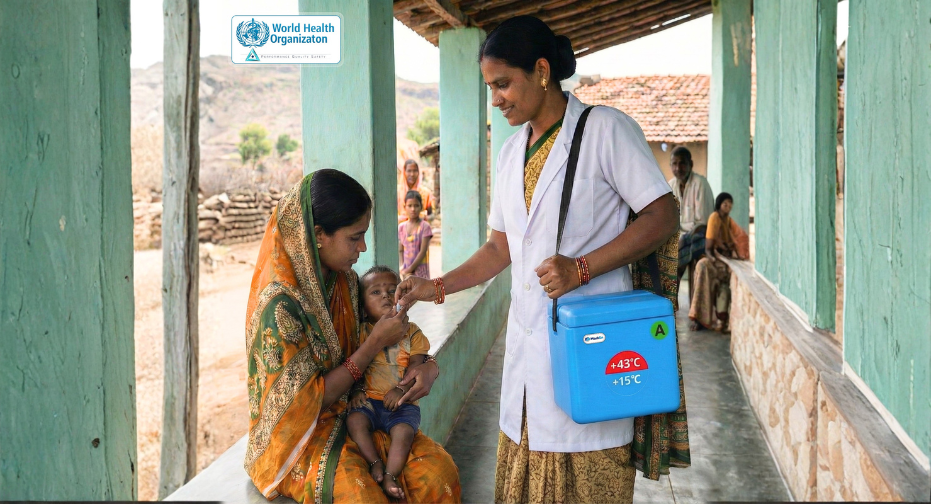
The
healthcare landscape in India is changing rapidly due to innovation, digital
technology, and greater emphasis on access. Cold
chain technology is one of the most important innovations for providing and
distributing vaccines, biologics, blood products and other medicines that
require temperature control. As the work to
enhance India's public health system continues, cold chain technology will
continue to transform delivery of care and improved outcomes. Cold chain
technology lessens waste while ensuring that life-saving products are effective
throughout the supply chain.
Cold chain management is not merely a best practice in a
country that is as diverse and with climate sensitivities as India; it is an
imperative for public health. Cold chain technology will provide safer, more
timely, and reliable access to necessary health products that will improve
healthcare in India against conflicting and ambitious immunization goals, the
export of pharmaceutical products, and effort for universal healthcare to all
citizens.
The
Importance of Cold Chain Technology in Healthcare
A cold chain is described as a temperature-controlled supply chain for vaccines and biologics that are maintained within specified temperature ranges (generally, between 2°C - 8°C for routine immunizations). Anytime there is a temperature deviation from a controlled range, the quality of the vaccine or biologic is compromised and possibly even rendered useless or dangerous.
Essential reasons
to innovate the cold chain
Ensures vaccine potency for transport and
storage
Every
day in India there are millions of vaccines distributed. A precision-controlled
temperature ensures that every dose is safe until it reaches its beneficiary.
Reduces healthcare waste
Internationally,
up to 25% of vaccines are discarded when a break in the cold chain occurs.
Excellent, modern equipment can greatly reduce waste.
Supports large immunization programmes
Mass
immunization programmes like the Universal Immunization Programme (UIP) rely
heavily on cold chain stability, especially in rural and underserved areas.
Enhances blood banks and biopharma logistics
Plasma,
platelets, insulin, oncology drugs, and biologics all require extremely stable
temperature-controlled storage environments.
Enhances emergency response preparedness
Cold
chain reliability enhances preparedness for pandemics, outbreaks and medical
emergencies.
With
India's rapidly growing healthcare requirements, cold chain modernization is
one of the most important technology investments over the past decade.
Innovative
Technologies Supporting Today’s Cold Chain Systems
Cold
chain technology has evolved from being simply refrigerating material to highly
engineered systems that maintain temperature, provide visibility in real time,
and safely deliver during the last mile even in remote geographies and extreme
climates.
1. WHO-PQS
Certified Cold Boxes and Vaccine Carriers
Modern
cold boxes offer WHO Performance, Quality and Safety (PQS) certification for
insulation and reliability. The use of these cold boxes will not only provide
temperature maintenance, but they allow vaccines to safely arrive at remote,
tribal or low access environments for significantly longer periods of time at
the time of transport in the field.
2.
IoT-Enabled Monitoring and Data Logging
Smart
cold chain systems are connected and support cold-chain systems that enable
monitoring and data logging as part of their user experience which include:
·
digital temperature loggers
·
GPS-enabled tracking
·
real-time alerts for temperature deviation
·
cloud-based dashboards
These
devices eliminate the need to log temperatures manually and greatly reduce the
risk of products spoiling.
3. Ultra-Low
Freezers and Biomedical Refrigerators
Advanced
equipment like contact shock freezers, plasma
freezers, and -80°C ultra-low freezers ensure that sensitive
biological materials such as plasma and stem cells retain their integrity.
4. Solar
Powered Cold Chain
Solar
cold chain units maintain temperature without being tethered to an electrical
grid in off-grid areas, and lessen electrical dependence towards sustainability
pledges in general.
5. Advanced
Insulated Vehicles and Portable Units
Temperature-controlled
vans, medical-grade insulation, and portable carriers allow efficient last-mile
delivery even during long travel hours or varying weather conditions.
Together, these innovations create a more reliable, transparent, and efficient healthcare delivery network across India.
How Cold
Chain Innovation Is Changing India’s Healthcare Landscape
1. Improving
Immunization Coverage
The
effectiveness of immunization campaigns in India relies on the efficacy of
vaccines. With advanced systems, health workers can provide active doses of
vaccines, no matter how remote the location. As a result, coverage will be
increased and health outcomes improved.
2. Minimizing
Product Loss and Cost
Increased
temperature control is proportionate to lower spoilage, which will mean there
are
-
fewer discarded vials of vaccine
-
reduced costs for healthcare institutions
-
better allocation of resources for public health programs
This
is especially important for high-value biologics and specialty medicines.
3. Supporting
Pharmaceutical and Biotech Growth
India
is one of the largest vaccine manufacturers in the world, a stronger cold chain
infrastructure supports
-
export logistics
-
stable supply for domestic markets
-
compliance with international quality standards
4.
Facilitating Pandemic and Emergency Preparedness
COVID-19
showed that reliable cold chain networks are critically needed. With advances
in technology, India is better prepared for
-
infectious disease outbreaks
-
mass vaccination campaigns
-
distribution of blood and plasma supplies in emergencies
5.
Strengthening Access to Healthcare in Rural and Remote Areas
Improved
cold chain infrastructure ensures the same cold chain system is applied, no
matter the climate or terrain. This eliminates vulnerability and increases
access. These factors directly address improved health inequalities.
MarkEn HealthTech: Advancing India’s Cold
Chain and Healthcare Future
As India’s demand for reliable cold chain systems grows, MarkEn HealthTech has emerged as a trusted leader creating high-quality, durable, and globally certified medical cold chain solutions. With expertise in Blood Bank Equipment, Cold Chain Systems, and WHO-PQS
Certified Vaccine
Cold Boxes, MarkEn is
playing a significant role in strengthening India’s health infrastructure.
How MarkEn Is Transforming Cold Chain Technology in India
1. Delivering World-Class, India-Made Solutions
MarkEn combines global
standards with Indian innovation. Its cold chain equipment is:
- highly reliable
- designed for Indian weather conditions
- durable and long-lasting
- compliant with global certifications
This reduces dependency on
imported devices and aligns with India’s Make-in-India initiative.
2. Supporting India’s Immunization and Public Health Programs
MarkEn’s WHO-PQS certified
cold boxes, vaccine carriers, and biomedical refrigerators are integral to
ensuring vaccine safety across both urban and rural healthcare networks. These
solutions help minimize wastage and improve the effectiveness of immunization
campaigns.
3. Excellence in Blood Bank and Plasma Management
From contact shock freezers
to platelet agitators, MarkEn’s equipment ensures stable temperature
maintenance for blood components crucial for hospitals, emergency centres, and
diagnostic facilities.
4. Innovation Led by Research and Real-World Needs
MarkEn is continuously
developing:
- energy-efficient models
- climate-resilient products
- solutions suitable for harsh terrains and
remote locations
This commitment to R&D
ensures that the company’s products remain future-ready.
5. Allowing a Strong and Sustainable HealthTech Ecosystem
MarkEn contributes directly to
India's healthcare progress by:
- reducing vaccine and biomedical wastage
- improving last-mile healthcare delivery
- strengthening state and national health
systems
- supporting emergency preparedness and disaster management
The company’s core mission to
protect every drop of life with trusted innovation drives its commitment to
building a healthier India.
Conclusion:
Cutting-edge cold chain
technology stands as a catalyst for transformation within India’s healthcare
industry. It guarantees the transport of vaccines, blood products, biologics
and essential medications helping millions nationwide. Through advancements
such as IoT surveillance WHO-PQS approved devices and solar energy-powered
solutions India is enhancing its capacity, for healthcare provision and crisis
management.
Organizations such as MarkEn
HealthTech lead this change. By leveraging top-tier engineering, strict
protocols and a strong dedication, to health MarkEn is enhancing India’s cold
chain framework while also contributing to the development of a robust forward-looking
HealthTech system.
As India continues to expand its
healthcare reach, advanced cold chain technology supported by leaders like
MarkEn will play a defining role in protecting lives and improving national
health outcomes.
Recent blog
View All- The Hidden Cost of Downtime: Why Reliable Cold Storage Is a Strategic Investment for Healthcare Facilities
- What Happens Between Manufacturing and Patient? The Journey of Temperature-Sensitive Medicines Through the Cold Chain
- How Alarm Systems Improve Cold Chain Reliability
- Blood Donor Couch: The Complete Guide for Blood Banks, Hospitals and Donation Centres
- Plasma Thawing Bath: The Complete Guide for Blood Banks, Hospitals and Laboratories
- Sterile Connecting Device: The Complete Guide for Blood Banks & Healthcare Facilities
- Contact Shock Freezer: The Complete Guide for Blood Banks, Hospitals & Plasma Processing Facilities
- Cytocentrifuge: Uses, Principle, Parts & Preparation
- Solar Direct Drive Systems: The Future of Battery-Free Vaccine Refrigeration
- Insulated Vaccine Van: Complete Guide to Vaccine Transportation and Cold Chain Logistics